The Science Behind Perfectly Textured Cookies
Baking cookies might seem simple, but achieving the perfect texture, crisp edges, gooey centers, and a soft interior, is an art rooted in science. Here’s a closer look at how key elements of the baking process affect your cookie’s texture, so you can customize each batch to your liking.
The Role of Butter Temperature
The temperature of your butter can drastically change your cookies. Melted butter makes them spread more, creating thinner, chewier cookies, while cold butter results in thicker, cakier cookies. Experiment with different consistencies to find your favorite.
Sugar Ratios and Texture
White sugar creates crispier cookies, while brown sugar retains moisture for chewiness. Adjusting the ratio can give you control over the texture. Want chewy cookies? Use more brown sugar. Prefer crunch? Lean on white sugar.
The Chill Factor
Chilling dough isn’t just for convenience, it gives the flour time to hydrate and the butter to solidify. This slows spreading in the oven, resulting in thicker, more evenly baked cookies. Bonus: Chilled dough often yields deeper, more complex flavors.
Baking Time and Temperature
The key to gooey centers is to underbake slightly, removing the cookies when they’re just set and still soft in the middle. For crispier cookies, bake a little longer at a slightly lower temperature. Always keep an eye on your oven, as every minute counts.
Use a Cookie Scoop
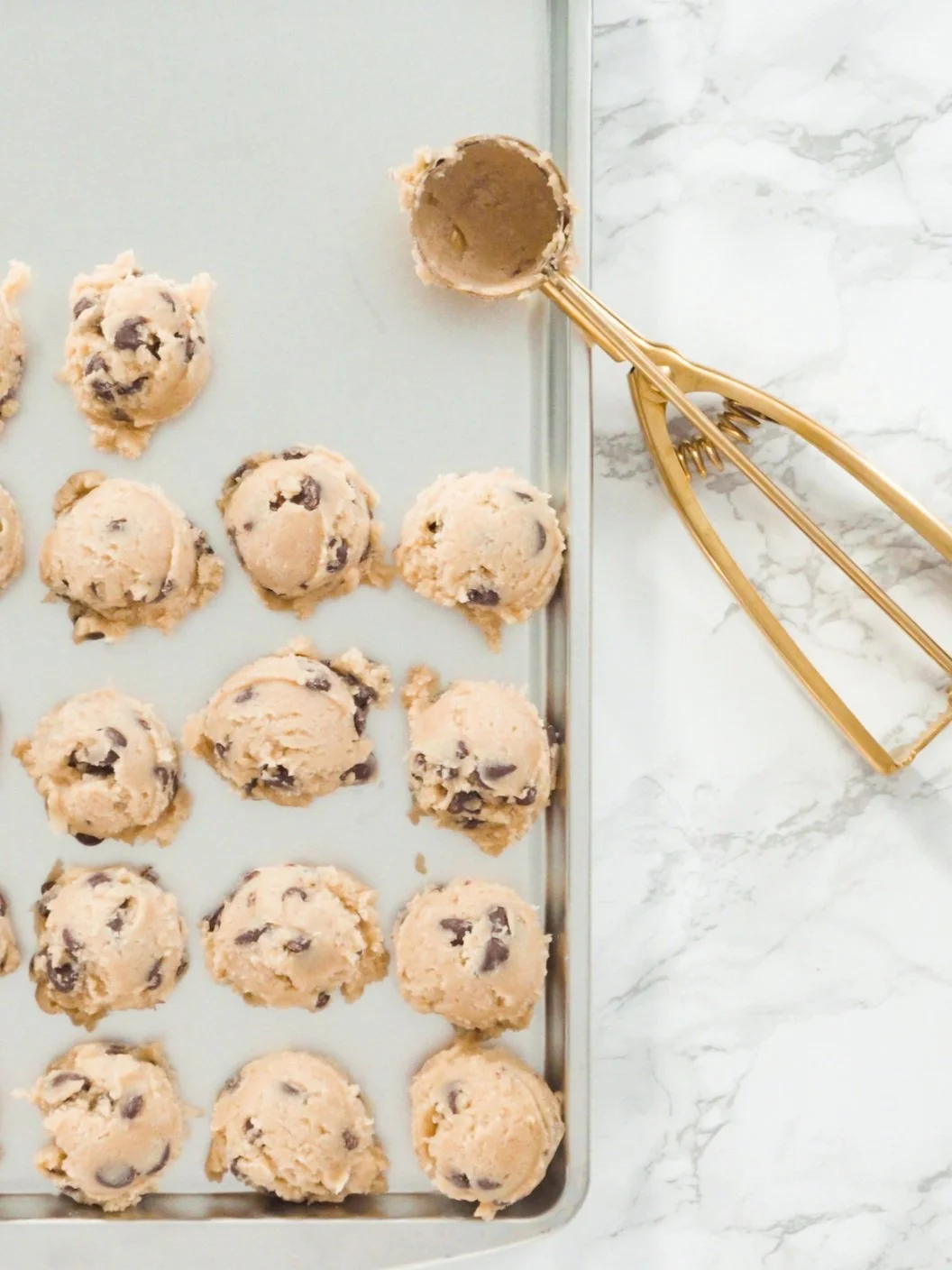
A cookie scoop ensures uniform size, which leads to even baking. Consistency in shape means no underbaked middles or overdone edges, and it gives your cookies that professional, bakery-style look.
Understanding the science behind baking gives you the freedom to experiment. Play with butter temperatures, sugar ratios, and chilling times to create cookies that are exactly how you like them. Every batch is a new opportunity to learn and to snack on your successes!